Kitchen Remodeling Cost Guide: What to Expect in Mooresville, NC
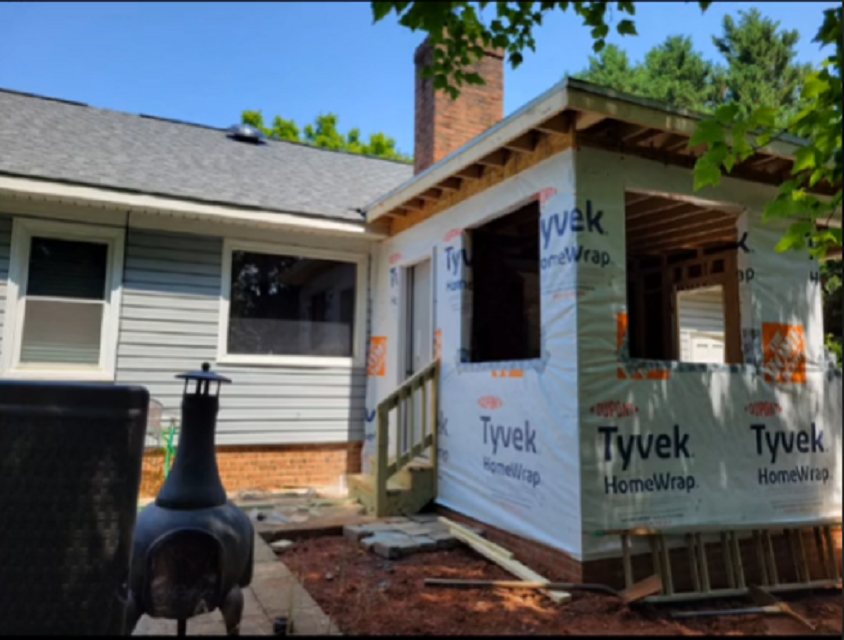
Illustrative construction image; not a kitchen interior or a claim about a completed company project.
A kitchen remodeling budget depends on what changes in your particular home. A finish update, a new layout, and a project that extends into adjacent rooms are different scopes. This guide helps you prepare and compare estimates; it does not offer a verified local price range, guaranteed return on investment, or a quote for your project.
Build a project-specific kitchen budget
Begin with the problems you want to solve: storage, circulation, work surfaces, accessibility, lighting, or worn finishes. List essential improvements separately from optional choices. Record what stays as clearly as what changes, including appliances or flooring you intend to retain.
Ask what site observations, measurements, selections, and plans are needed before the work can be priced. A preliminary estimate should identify its assumptions and unresolved items. Use the budget and estimate worksheet to record each work package without turning an unknown cost into zero.
What factors influence your kitchen renovation budget
Discuss the room size, amount of cabinetry, layout changes, selected products, preparation work, and access. Moving a sink or appliance may involve plumbing, electrical, ventilation, or adjoining finishes as well as the visible item. Changes to walls or openings may require professional assessment. Confirm what applies to your scope rather than assuming every kitchen needs the same work.
Selections should identify the actual model, finish, quantity, and installation needs. Ask who supplies each product, whether delivery and removal are included, and how unavailable items or substitutions would be approved. Do not assume that a product’s retail price equals its installed project cost.
Compare estimates by component and scope
- Cabinetry, storage fittings, and installation or modification work.
- Countertops, backsplash, flooring, and preparation of the surfaces beneath them.
- Appliances, fixtures, lighting, and the services needed for their proposed locations.
- Applicable plans, permits, inspections, and specialty-trade coordination.
- Protection, delivery, disposal, cleanup, and agreed adjacent-room repairs.
Ask each estimator to separate specified work, allowances, options, and exclusions. An allowance needs an explanation of what it covers and how the final selection changes the amount. The FTC’s contractor guidance recommends comparing written estimates and asking about substantial differences rather than choosing only by the lowest total.
For related trade-service information, the Ultimate Plumbing website and Ultimate Roofing website are separate resources. Confirm who will actually perform each part of your project in the proposed agreement; these links do not establish a subcontracting arrangement.
Discuss scope alternatives before cutting the budget
If the proposed scope exceeds your working budget, ask for specific alternatives: retain a serviceable item, change a selection, defer an optional feature, or reconsider a layout change. Compare what each option removes or adds and how it affects use, preparation, installation, and maintenance. Do not assume a fixed percentage saving or that a lower purchase price lowers the whole project cost.
Keeping an existing layout can be worth discussing, but its suitability depends on the home and your goals. Ask how retained items will be protected and connected to new work. Do not remove necessary safety, preparation, or approval steps simply to reach a preferred total.
Plan for timing, household needs, and uncertain conditions
Ask for a project-dependent schedule that identifies selections, availability, access, applicable approvals, construction stages, and inspection dependencies. No universal number of weeks is promised here. Plan how you will manage food preparation, storage, pets, and access while the kitchen is unavailable.
Discuss unresolved existing conditions and what can be investigated before work starts. Agree how a discovery or requested change will be documented, priced, and approved, including its schedule effect. Choose a project-specific reserve through that discussion rather than treating a standard contingency percentage as a guarantee. Keep household expenses separate from the contractor’s scope.
The project phases and communication guide includes a decision log, update checklist, and closeout questions.
Check qualifications, permits, and insurance separately
Verify the legal entity you would contract with through the NC Licensing Board’s official search and confirm the requirements for your scope with the relevant authority. North Carolina’s current general-contractor statute defines the regulated work and exceptions; do not rely on an old price threshold in a marketing article.
Licensing does not itself establish insurance coverage or guarantee the result. Ask for applicable insurance information and verify it with the provider. Confirm who handles plans, approvals, specialty trades, and inspections in writing. Start with official permitting information and the actual property address; Mooresville and other jurisdictions may have different responsible offices.
Getting started with your kitchen remodel
Bring your address, current photos, available plans, priorities, retained items, preferred selections, and unresolved questions. Describe any access or timing constraints. Keep the written estimate, scope, selections, changes, and correspondence together, and review payment milestones before signing.
For a kitchen in Mooresville or Lake Norman, request a conversation about your project. A useful estimate begins with your home’s actual scope, not an unsupported local average.
Need Expert Help with Your Project?
Share your kitchen priorities, property location, and open questions to discuss a project-specific estimate.
About Ultimate Home Remodeling Team
Ultimate Home Remodeling and Construction provides remodeling and general contracting services in Mooresville and Lake Norman. Contact the team to discuss your home and the services needed for your proposed scope.
Learn More About Our TeamRelated Articles
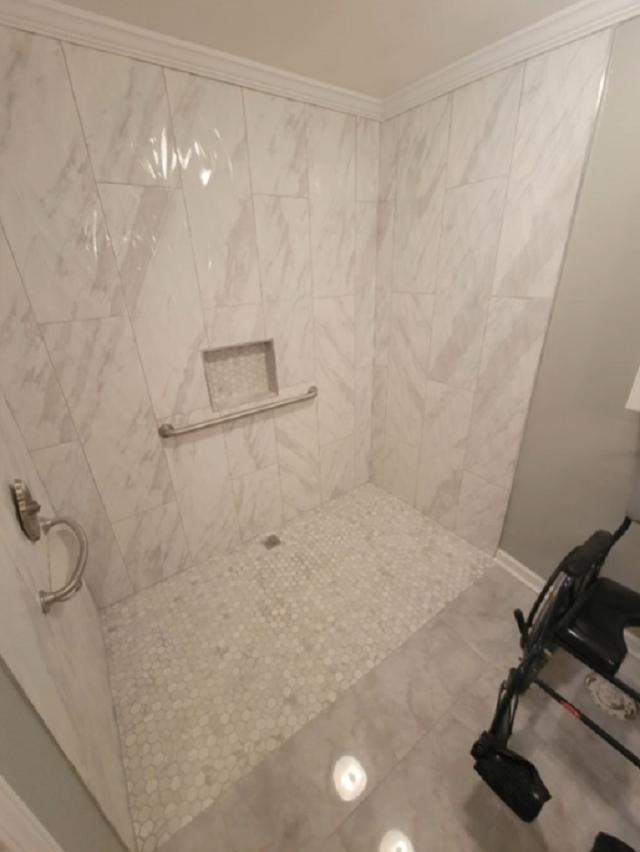
Bathroom Renovation Ideas: Accessible Design for Your Home
Explore bathroom layout, fixture and support questions that can help you plan around the people who use the room.

Choosing the Right Siding for Your Home: Materials & Benefits
Your home's siding does more than create curb appeal—it protects your investment from weather, pests, and time. Choosing the right siding material involves balancing aesthetics, durability, maintenance, and budget.
Room Additions vs. Home Renovations: Which is Right for You?
When your family outgrows your current home, you face an important decision: add on to your existing space or renovate what you already have? Each approach offers distinct advantages depending on your situation.