Why Hire a Licensed General Contractor in North Carolina?

Illustrative planning image; not presented as a completed Ultimate project.
When planning a home remodeling project in Mooresville, Lake Norman, or elsewhere in North Carolina, choosing who will do the work is an important decision. Ask prospective contractors about their qualifications, insurance, project scope, and communication process before you sign an agreement.
Use this guide to prepare questions about contractor licensing and insurance. Verify project-specific requirements and any credentials with the relevant licensing authority and insurance provider rather than treating marketing statements as proof.
Understanding North Carolina Contractor Licensing Requirements
The North Carolina Licensing Board for General Contractors states that a general contractor license is required when the contract value is $40,000 or more. Verify the license of the legal entity that will sign your contract, including its current status, classification, and project-value limitation. Do not rely only on a business name or a license number printed in an advertisement.
Licensing, permits, and insurance are separate checks. Ask the local permitting office which approvals apply to your scope, and verify any specialty-trade credentials with the relevant board. Requirements can change; use the current official guidance when making a project decision.
Why Licensing Protects Homeowners
Licensing provides a way to check a contractor's authorization and raise licensing complaints. It is not a guarantee of workmanship or reimbursement: the Board's consumer FAQ explains that it cannot require repairs or repayment.
Do not assume every licensed contractor carries a bond. The Board's contractor FAQ explains that a surety bond can be used instead of meeting the financial requirements for licensure; a bond is not a universal licensing requirement. If a project calls for a bond, ask for the actual document and confirm its scope and conditions with the issuer.
Insurance: The Safety Net You Hope to Never Need
Check insurance separately from the general contractor license. The Licensing Board states that insurance is not a requirement for the license itself, although individual projects or permits may require it. Ask the contractor and insurance professional to explain the policies, current dates, limits, exclusions, and coverage for the proposed work.
The North Carolina Industrial Commission says businesses regularly employing three or more employees generally need workers' compensation insurance or approved self-insurance, with exceptions and additional rules. Confirm the applicable requirements and coverage rather than assuming a license, certificate, or general statement guarantees protection for every person or loss.
Warning signs and questions worth following up
The FTC’s contractor guidance cautions against pressure to decide immediately and requests for full payment upfront. Ask for written estimates and an explanation of large price differences. A low price, vehicle appearance, or marketing claim alone does not establish a contractor’s qualifications or the quality of a proposal.
Ask who is responsible for required permits, how payment milestones relate to the agreed work, and how proposed changes will be approved. If an answer is unclear, record the question and resolve it before signing. Do not treat a permit or license as a guarantee that every contractual or workmanship concern has been addressed.
Compare contractors against the same remodeling scope
For a Lake Norman or Davidson project, send each prospective contractor the same room list, priorities, available plans, and known constraints. Use the estimate worksheet to distinguish specified work, exclusions, allowances, and undecided items. Ask about experience relevant to your actual project, and request references or examples the contractor is authorized to share; do not assume a general portfolio proves experience with your property type.
- Scope: What work, products, protection, and cleanup are included? A useful answer identifies boundaries and unresolved assumptions, not just a total.
- Schedule: What must happen before work starts, and which decisions or deliveries affect the sequence? Look for dependencies rather than an unconditional finish-date promise.
- Communication: Who is the project contact, how are updates agreed, and who approves changes? Ask for a clear contact and a documented approval process.
- Workmanship: Which specifications, product instructions, or approved samples define the result, and how are questions recorded? A polished photograph is not proof of concealed-work quality.
- Qualifications: Which legal entity signs the agreement, and what license and insurance information can you independently verify? Compare the documents with that entity and proposed scope.
These are examples of useful information, not answers supplied by Ultimate or guarantees of a particular outcome. Compare the quality and completeness of each response before choosing whom to engage. An advertised ownership background or years-in-business claim does not replace scope, reference, and credential checks.
Davidson: confirm the property and approval path
For a Davidson address, start with the exact property and proposed work rather than assuming the postal name settles jurisdiction. The Town’s permit instructions direct approved town building and sign permits to Mecklenburg County for review. Confirm the applicable town and county steps with the responsible offices before scheduling work.
For property in the Local Historic District, many exterior changes require a Certificate of Appropriateness before work, separately from other town or county permits. Davidson’s historic-review guidance exempts routine maintenance and directs homeowners to ask staff about proposed work. Not every Davidson-address property is in that district. Ask what applies to your address, who prepares the documents, and how approval dependencies affect the estimate and schedule.
Copy or print this contractor consultation checklist
Use one copy for each contractor. Print this section or copy the questions into a document with room for answers. Record the supporting document and follow-up action, not only a yes/no response.
- Property, project, and meeting date: __________. Contractor and proposed contracting entity: __________.
- License and insurance: license name/number and verification source/date: __________. Relevant insurance evidence and questions for the provider: __________.
- Scope and estimate: included work, exclusions, allowances, selections, and written estimate reference: __________.
- Project fit: relevant experience, authorized examples, and references to contact: __________.
- Permits and inspections: responsible authority, required checks, applications, fees, and person coordinating them: __________.
- Schedule and access: proposed sequence, decision deadlines, dependencies, household interruptions, and access arrangements: __________.
- Communication: project contact, update timing, urgent-question channel, and homeowner decision-maker: __________.
- Changes and payment: how cost/schedule changes are documented and approved; proposed payment milestones: __________.
- Quality and closeout: agreed product/specification references, walkthrough process, documents, and any actual written warranty terms: __________.
- Open questions: item, person responsible for the answer, and follow-up date: __________.
The FTC recommends a written agreement that reflects promises made during discussions. Check the final documents against your notes. This checklist is preparation for a conversation, not legal advice or a substitute for reviewing the contract.
Bring verified information to the project conversation
Review the listed remodeling services, planning checklist, and coordination guide, then discuss your property and scope. Ask which services, responsibilities, and terms actually apply to your proposal.
If your scope includes separate plumbing or roofing work, identify the responsible contracting parties and verify their qualifications and scope. Additional service information is available from Ultimate Plumbing and Ultimate Roofing; those links do not define the terms of your remodeling agreement.
Need Expert Help with Your Project?
Bring your property details, proposed scope, and contractor-verification questions to a project conversation.
About Ultimate Home Remodeling Team
Ultimate Home Remodeling and Construction provides remodeling and general contracting services in Mooresville and Lake Norman. Contact the team to discuss the scope and responsibilities for your project.
Learn More About Our TeamRelated Articles
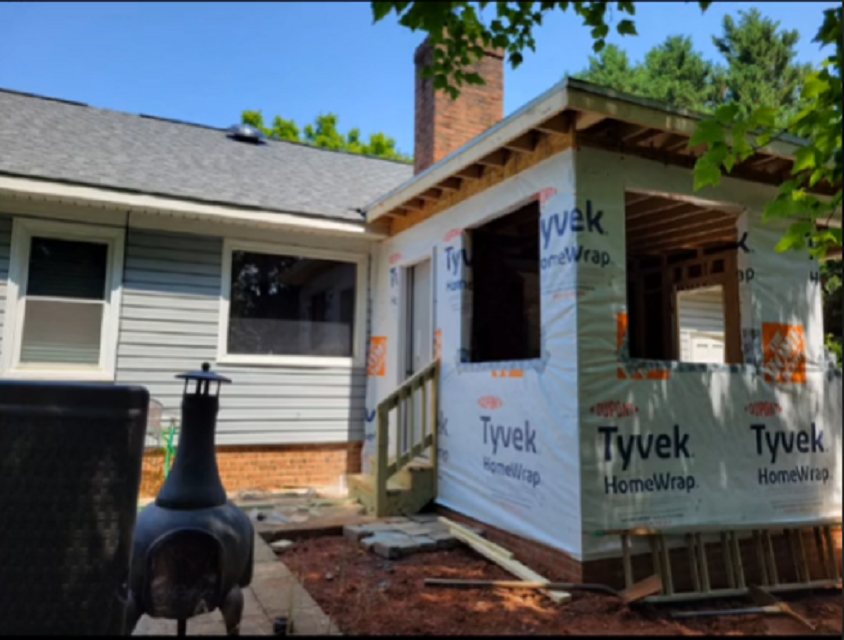
Kitchen Remodeling Cost Guide: What to Expect in Mooresville, NC
Compare the work, selections, allowances, and assumptions behind a kitchen estimate before treating a generic price as a budget for your home.
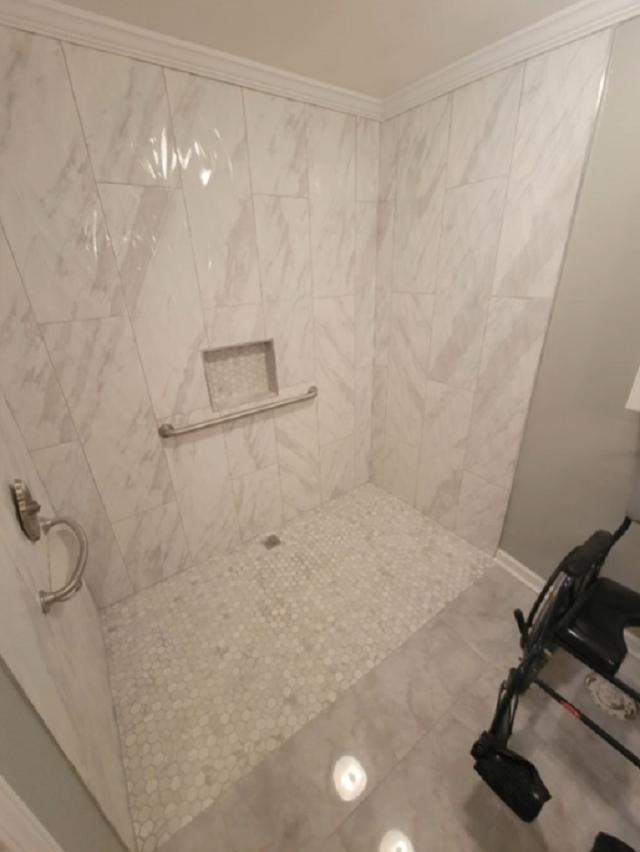
Bathroom Renovation Ideas: Accessible Design for Your Home
Explore bathroom layout, fixture and support questions that can help you plan around the people who use the room.
Room Additions vs. Home Renovations: Which is Right for You?
When your family outgrows your current home, you face an important decision: add on to your existing space or renovate what you already have? Each approach offers distinct advantages depending on your situation.